Rethinking Milk Flow: It’s Not Just Physical
Research suggests that milk let-down may be influenced not only by physiology but also by emotional state. While the physical aspect of lactation is commonly understood, it’s becoming increasingly clear that psychological factors also play a significant role. Stress and discomfort may be associated with delays or interruptions in the natural flow patterns of milk, making the process more challenging than it should be. Breastfeeding challenges are now recognized as multi-factor experiences, where a mother’s mental well-being is considered an important aspect of the overall lactation experience.
The Role of Relaxation in Lactation Efficiency
A calm state can be helpful in supporting the body’s natural milk release response. Relaxation helps facilitate smoother milk flow, while even minor discomfort can trigger tension, affecting the consistency and efficiency of milk expression. Comfort is now seen as a functional contributor to pumping outcomes, indicating that improving a mother’s comfort may not just ease the process but also improve pumping efficiency.
From Mechanical Extraction to Human-Centered Design
Traditional breast pumps focused on suction strength and output efficiency, but modern designs are shifting the focus to the user’s experience. New designs prioritize user comfort and emotional ease, fully taking into account the mother’s psychological and physical well-being. Today, technology is evolving to support the body, rather than forcing it to conform to rigid mechanical processes. This human-centered approach is making a real difference in the comfort and success of pumping.
Why Warmth and Massage Make a Difference
Gentle heat and rhythmic massage are key to improving the pumping experience. Gentle heat helps create a more soothing environment, which may help support a more comfortable experience. Simultaneously, rhythmic massage mimics the natural stimulation of breastfeeding, encouraging milk release. Together, these features may help support a more relaxed pumping experience.
When Comfort Technology Becomes Part of Everyday Breastfeeding
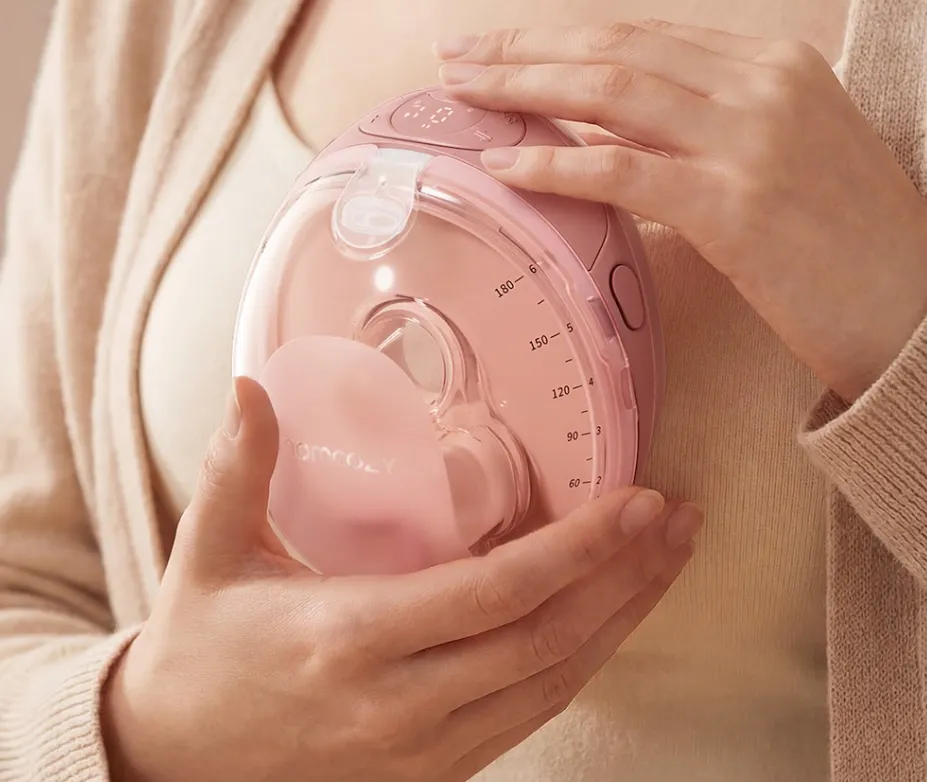
Modern pump design increasingly focuses on integrating comfort into everyday breastfeeding routines. Products like the Momcozy Wellness 1 combine warm massage with wearable design and convenience, making pumping a more comfortable and accessible part of daily life. This shift from function-only design to a more human-centered pumping experience reflects an understanding that comfort plays a vital role in lactation success.
The Future of Breastfeeding Technology
As innovation continues, the future of breastfeeding technology is moving toward balancing efficiency with well-being. Emotional comfort is becoming central to product development, as companies recognize that the key to successful lactation lies in supporting a mother’s relaxed state. By rethinking how success is measured, we may soon see a dramatic transformation in the way pumping is experienced.