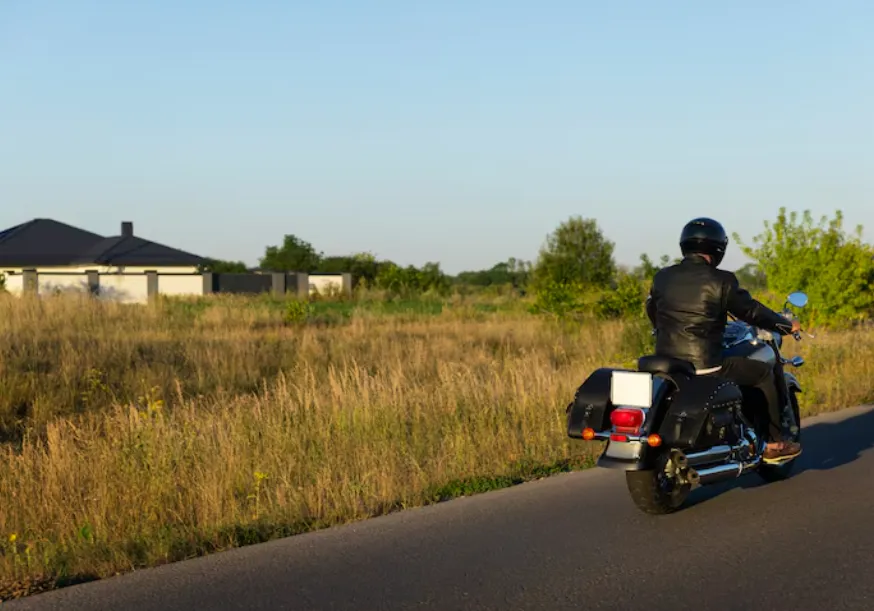

Nobody plans to drop a bike three hundred kilometres from home. Yet gravel shoulders, wet kerbs, and tired legs at a fuel stop do not care about plans. That is why many riders look at crash bars for motorcycles Singapore stores sell before a big ride.
This guide sticks to what matters on the road. We cover trip risks, bar design, fit, rust, buying questions, and checks after a drop. No miracle claims here. A good set of bars helps, but only when chosen well and mounted right. So let us get into it.
Why Long Trips Raise Stakes
Distance changes the maths. A scratch on a bike near home is a nuisance. The same scratch far away can mean a broken lever, a leaking case, and a ruined trip. Repairs take time, and parts are not always easy to find.
Tired riders drop bikes more often, too. Hot afternoons, heavy luggage, and unfamiliar roads all add up. For anyone eyeing crash bars for motorcycles Malaysia routes demand, protection is part of trip planning, like carrying a spare tube or a charger.
Reading Bar Design and Strength
Look closely at how a bar is built. Thicker tubing generally resists bending better, but weight rises with it. Clean, even welds matter more than shiny paint. Dull, lumpy joints suggest rushed work.
Shape also plays a role. Some bars cover only the sides, others reach down toward the engine and fairings. Pick coverage that matches your bike’s weak points. Ask what material the maker used, and what testing, if any, supports the claims. Honest sellers answer plainly.
Bike Fit and Mount Points
A bar made for your model uses factory mounting points. That keeps load paths sensible and holds everything firmly in place. A poor fit can stress parts of the frame that were never meant to take it.
Check the model year and variant before buying. Mounting holes sometimes shift between versions. Read the instructions twice. Use the supplied bolts, and tighten them to the stated torque. A bar that wiggles even slightly needs fixing before your next ride, not after.
Fighting Rust in Humid Weather
Humidity is hard on metal. Salt air near the coast makes it worse, and rain finds every tiny chip in the paint. Quality bars use powder coating or similar finishes to slow rust. Cheap paint flakes quickly.
Wash your bars after wet rides and dry them with a cloth. A light wax coat helps, too. Check around bolts and weld seams, where moisture likes to sit. Touch up chips early with suitable paint. Small steps now keep the bars strong for years.
Questions to Ask Before Buying
Ask which bike models the bar suits, and whether it works with your existing luggage racks or lights. Ask about warranty, finish, and weight. Find out how the bar handles a typical tip-over, not a crash at speed.
Also ask whether installation is simple. Some bars bolt on in an hour, while others need parts removed first. If you are unsure, book a workshop. Compare two or three options side by side. Price matters, but fit and build quality matter more.
Checking Bars After a Drop
After any fall, look carefully before riding again. Run your eyes along the tubing for bends, cracks, or scuffs near the mounts. Test each bolt for tightness. Check the frame points where the bar attaches, too.
Replace bars that look bent or damaged, even a little. Hidden weakness can fail in the next fall. Also inspect the bike for leaks and cracked parts. Better to spend a few minutes now than to find a surprise on the highway later.
Conclusion
Good crash bars come from sensible choices. Pick a design that suits your bike, check the build quality, guard against rust, and install with care. After any drop, inspect everything. Bars are one part of a full safety plan, alongside proper riding gear and sensible speed.
For more details, visit motorradsg.com and look through the crash bar range. Ask questions, compare options, and take your time. Long trips are much better when your bike has a bit of backup. Ride safe, stay alert, and enjoy the road.